Tackling graffiti through creative placemaking at Waldron Health Centre

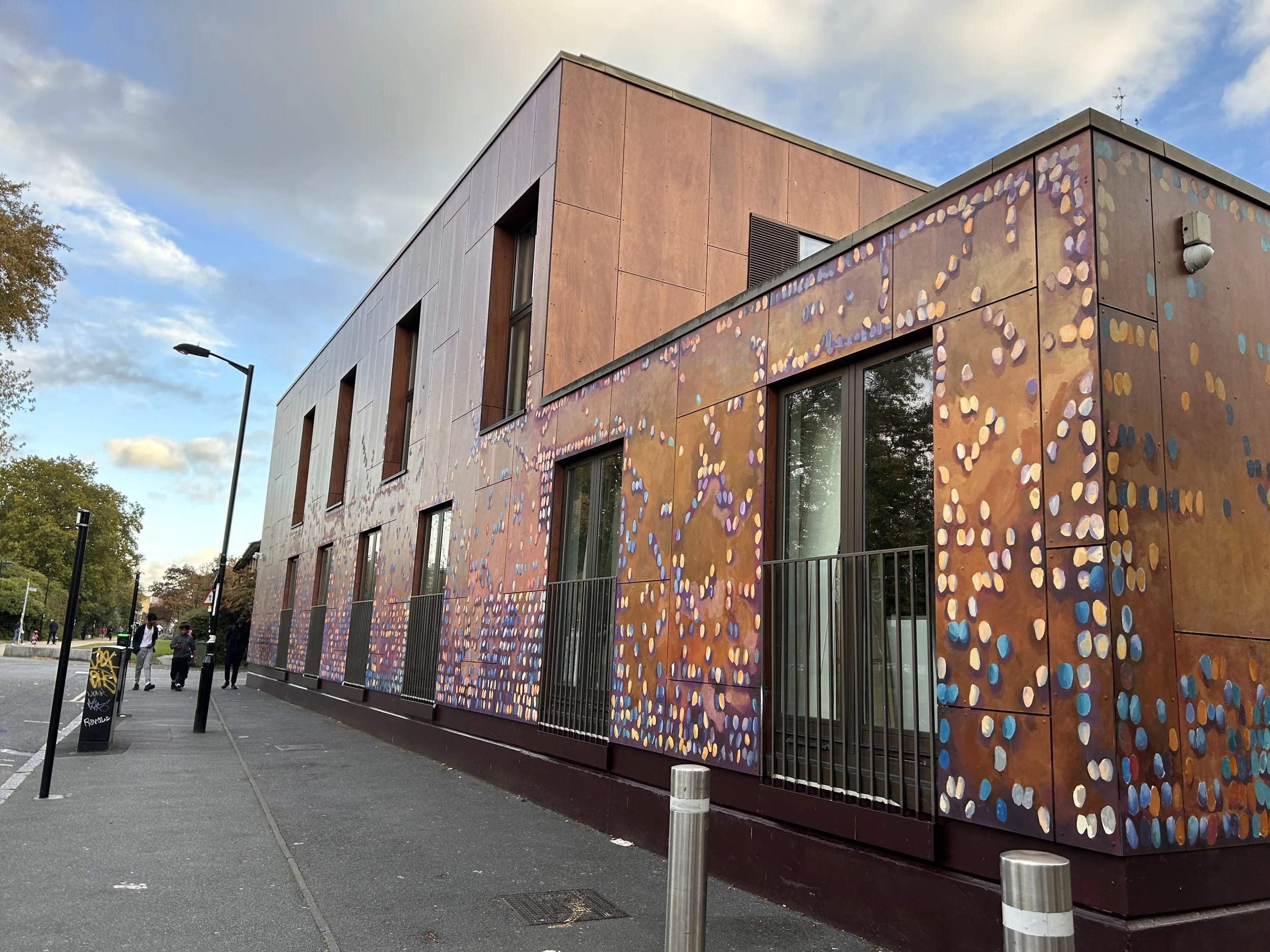
What do you do when a building is repeatedly targeted by graffiti? At Waldron Health Centre in New Cross, the response has been to work with local artists and the community to create a striking new mural across the building's exterior.

The project developed from an ongoing challenge for those managing the health centre. Graffiti and tagging had become a persistent problem, alongside wider concerns about the building's external environment.

An earlier intervention by community outreach organisation Crying Sons had taken an educational approach, engaging directly with people involved in graffiti in the area. This initially helped reduce incidents of tagging, and the work identified community murals as one possible longer-term response.

360 Degree Society was brought in to help develop the next stage, working with Fulcrum Infrastructure Group, LIFTCo, Community Health Partnerships, South East London Integrated Care System and staff at the Waldron to explore what a creative intervention might look like.

Working with people who know the place

The Artmongers Team

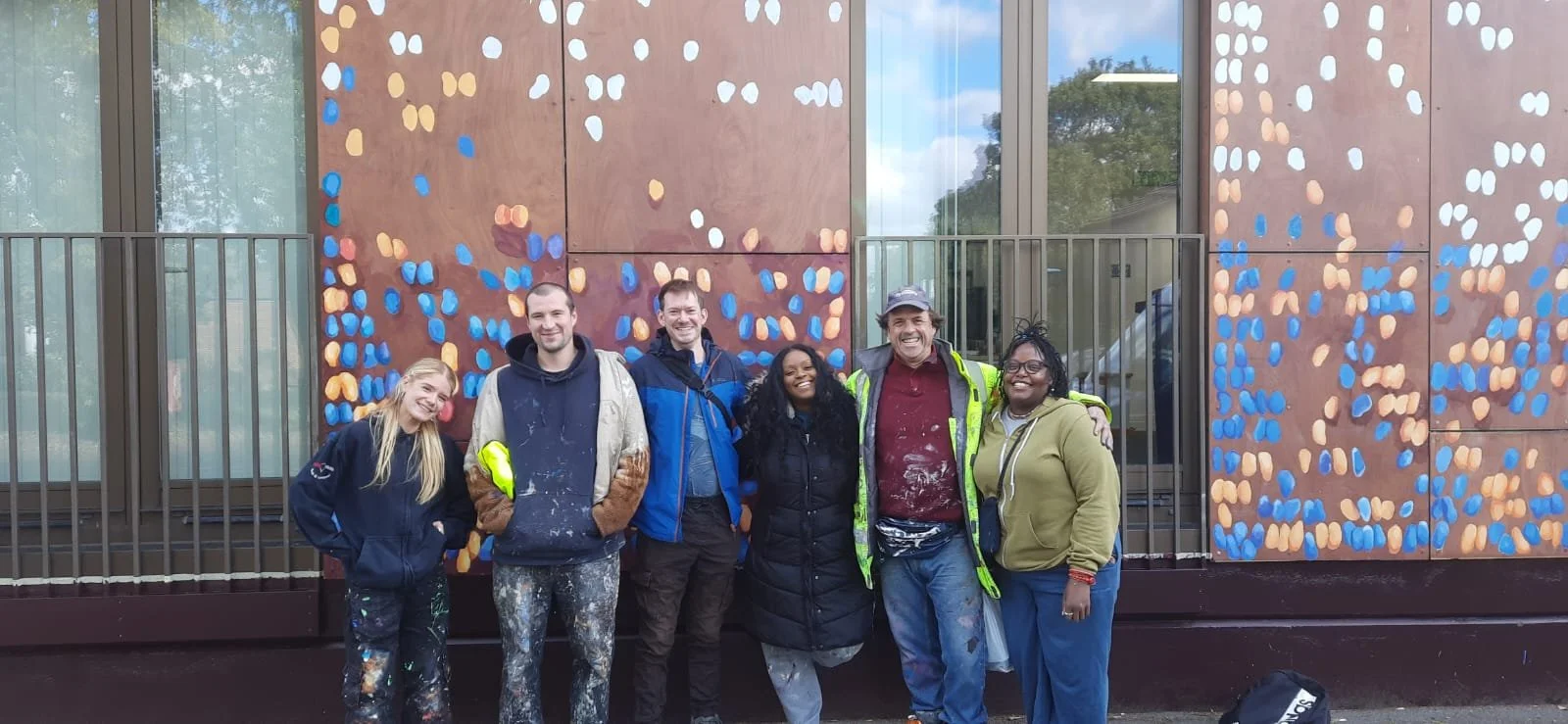
We commissioned Artmongers, a participatory mural organisation with a long history of working in Deptford and New Cross.

Their lead artist, Patricio Forrester, is himself a user of the Waldron. Artmongers have created murals across the area and continue to work with local people to look after their artworks.

That local connection was an important consideration. We wanted to work with artists who understood the neighbourhood and had relationships that would continue beyond the initial commission.

The project included conversations and creative workshops with people using the health centre and those living and working nearby.

What emerged was a picture of the Waldron as an important part of everyday neighbourhood life. People talked about familiar faces, the market, community activities and the connections they make through the building.

Artmongers drew on these conversations and observations to develop the design, using colourful, bead-like forms that flow across the façade. The artwork brings together individual elements to create a much larger composition, reflecting some of the themes of connection and belonging that emerged during the engagement.

The participatory approach continued through to installation. Patricio brought in volunteers from the London School of Muralism, alongside local volunteers recruited through an open call-out, to help complete the painting.

What can we learn from the project?

The mural has given the Waldron a very different appearance, but there are also some useful lessons in how the project came together.

The earlier work by Crying Sons demonstrated the value of engaging directly with people connected to the original problem. The mural project built on that work, bringing in local creative expertise and opening up opportunities for wider participation.

The choice of artist was important too. Artmongers brought existing local relationships, and an understanding of the neighbourhood.

For 360, it's an example of how a relatively straightforward estates challenge can open up opportunities for creative placemaking.

Health centres are part of the everyday fabric of our neighbourhoods. How they look, feel and relate to the communities around them matters, and there is real potential to think more creatively about how we manage and improve these spaces.

Read the full press release here.

Next
Next

Stop Building Death Centres. Start Building Healthier Neighbourhoods.