
Huddersfield: From Building to System
What if neighbourhood health started with people, not buildings?
Across the UK, health systems are under growing pressure.
Demand is rising.
Workforce shortages continue.
Inequalities are widening.
And despite decades of discussion about prevention, most investment still flows towards treating illness once people reach crisis point.
Huddersfield is asking a different question.
What if neighbourhood health was designed around relationships, community capacity and everyday life — not simply around clinical estate?
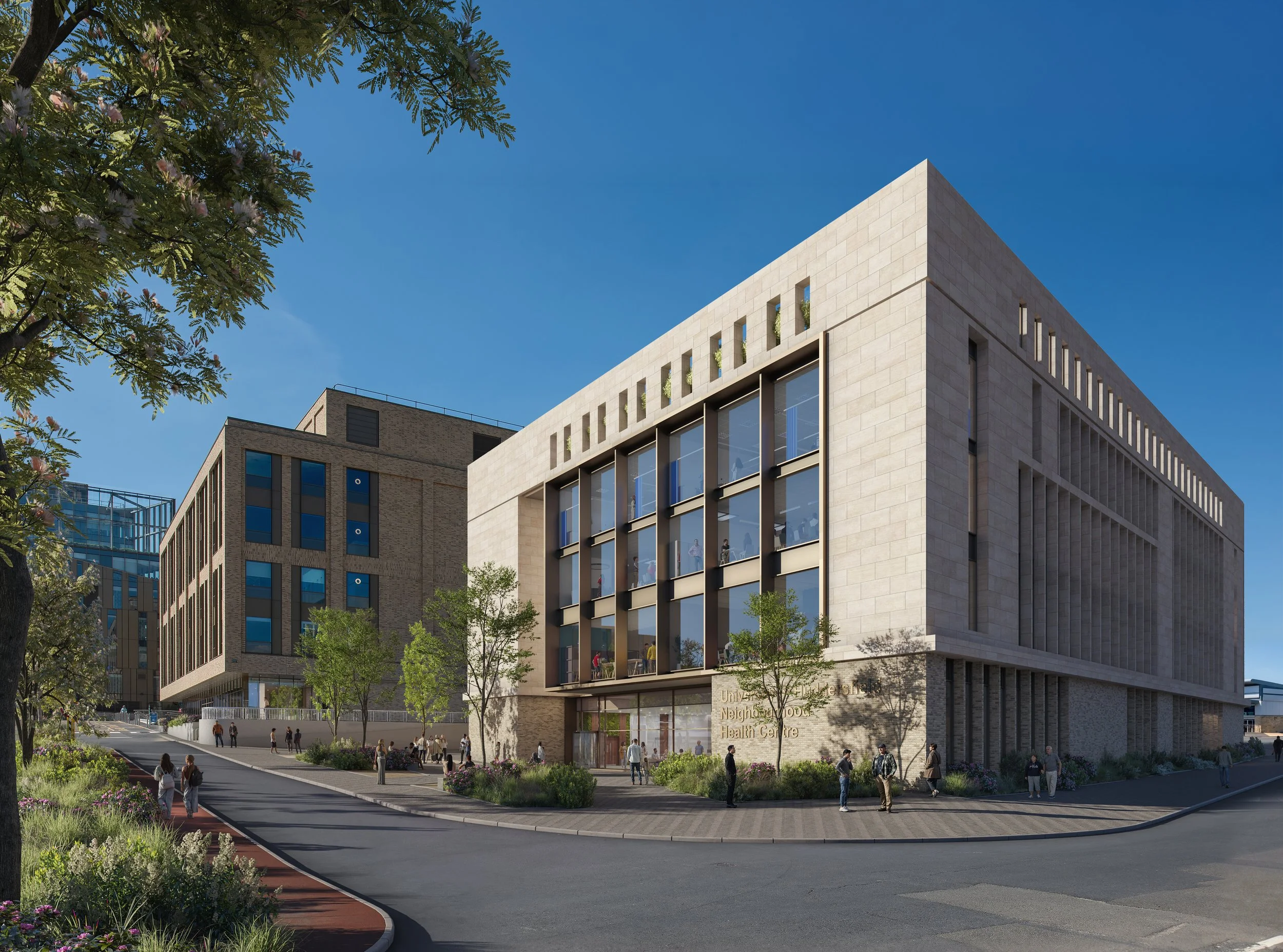
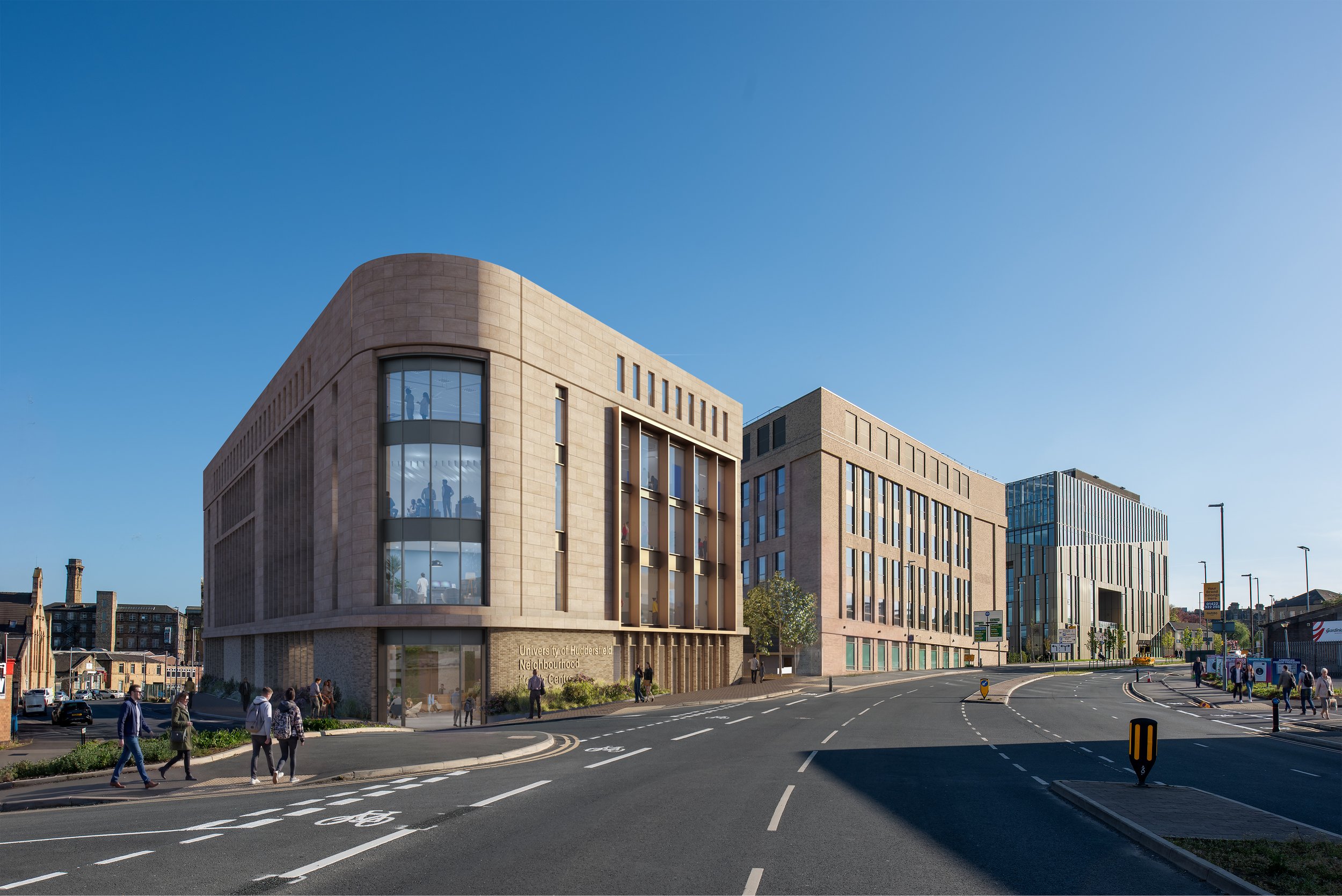
Building 3 at the University of Huddersfield’s Health Innovation Campus is emerging as a live demonstrator for a different kind of neighbourhood health model.
Not simply a building.
A system.
A different starting point
Most neighbourhood health conversations begin with infrastructure.
Huddersfield begins with place.
The project recognises that most health outcomes are shaped long before someone enters a clinical setting — through housing, employment, education, environment, opportunity and social connection.
It also recognises that high-quality clinical care still matters deeply.
The challenge is not choosing between prevention or healthcare.
It is designing a model where prevention, community and integrated clinical care work together as part of the same neighbourhood system.
This is where Building 3 becomes significant.
It brings together:
primary and community healthcare
workforce development and education
research and innovation
voluntary and community organisations
digital and population health capability
social and economic activity
The ambition is not simply co-location.
It is activation.
From occupancy to activation
Traditional health buildings are often judged by occupancy:
rooms filled
clinics delivered
utilisation achieved
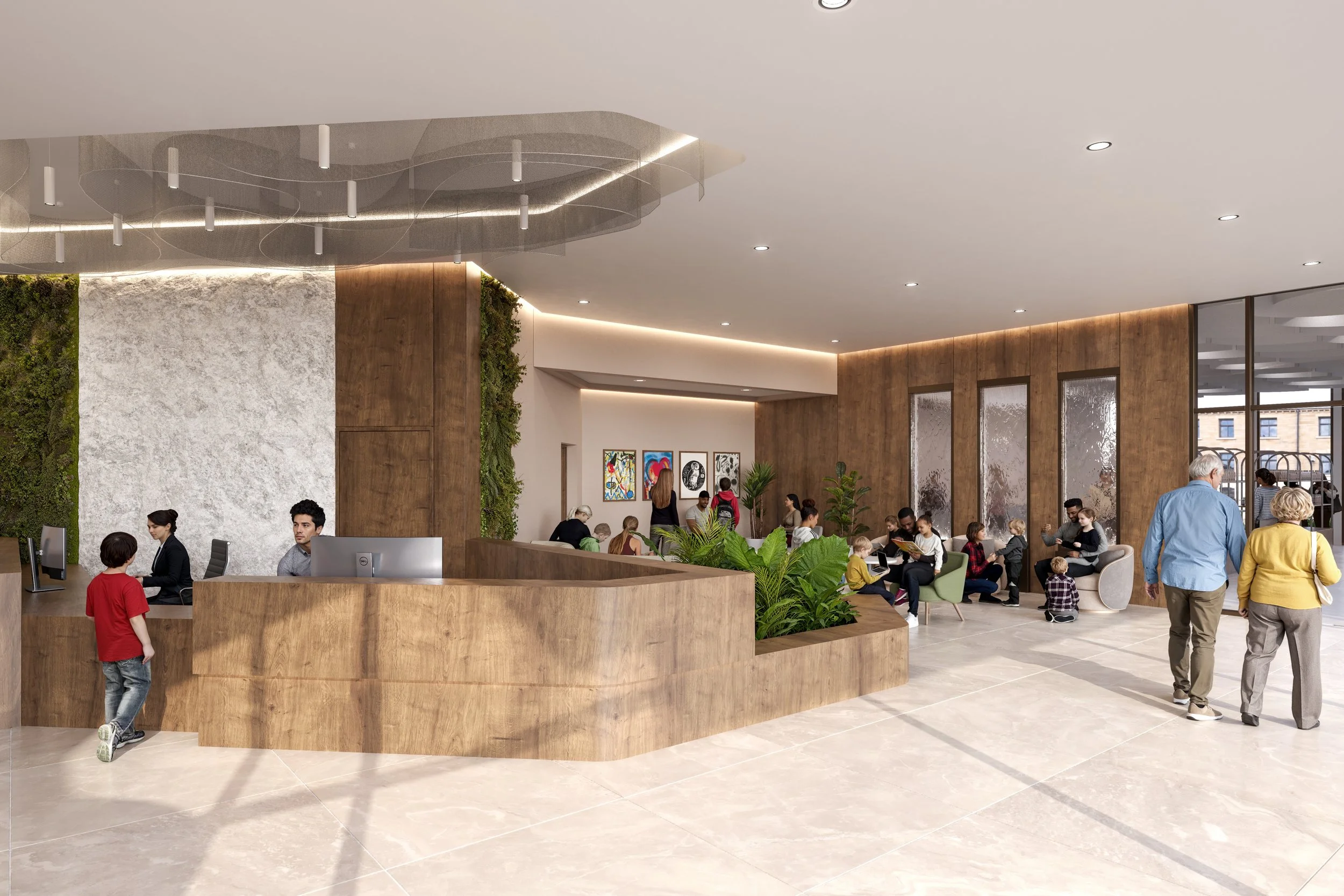
But neighbourhood health requires a different measure of success.
Are people using the space beyond appointments?
Are community organisations active and visible?
Is the building alive evenings and weekends?
Are new partnerships and pathways emerging?
Does the space support prevention, participation and connection?
The opportunity is to move from:
A building that is full
to:
A neighbourhood system that is alive.
Why Huddersfield matters nationally
This is not simply a local development.
Every health and care system in the UK is grappling with:
rising demand
workforce pressures
financial constraint
fragmented delivery
the need to shift upstream into prevention
National policy increasingly points towards neighbourhood delivery, integrated care and population health.
But there remains a major gap between ambition and delivery.
Too many schemes still risk becoming more efficient clinical buildings rather than engines of neighbourhood health.
Huddersfield offers something different:
A live environment where new models can be tested, evidenced and refined in practice.
Rooted in place
One of the project’s most distinctive strengths is the role of the University.
Around 50% of students come from the local area, with approximately half of those from some of Huddersfield’s most deprived communities.
This creates the possibility of developing a workforce rooted in place — people trained within the communities they may ultimately serve.
Workforce development therefore becomes part of the neighbourhood health model itself.
Students, clinicians, community organisations and system leaders are brought into closer proximity around shared neighbourhood priorities.
That changes relationships.
And relationships change systems.
Beyond the red line
A core insight emerging from the work is that neighbourhood health cannot be designed solely within the boundary of a building.
Health is created across a wider ecosystem:
schools and colleges
parks and green space
community centres
faith organisations
local businesses
employers
cultural and civic spaces
informal networks and relationships
The future of neighbourhood health is unlikely to be a single destination.
It is more likely to be a connected neighbourhood campus — where buildings act as platforms for coordination, participation and prevention.
A new kind of health infrastructure
Building 3 is exploring:
prevention-led operating models
community activation of estate
digitally enabled neighbourhood systems
blended investment approaches
integrated workforce development
new partnership models
At its heart, this is not simply an infrastructure project.
It is a test of whether health systems can organise differently around people, place and prevention.
The wider question
Across the country, billions will be invested into neighbourhood health over the next decade.
The real question is not whether we build new centres.
It is whether we use those investments to create healthier neighbourhoods.
Huddersfield is attempting to explore what that could look like in practice.
Not through theory alone.
But through a live, evolving demonstrator that connects healthcare, community, education, prevention and place.