
Stop Building Health Centres – Designing Places for Prevention
Across the UK, hundreds of neighbourhood health centres are planned as part of a national shift toward prevention and care closer to home.
But there is a fundamental risk.
That we redesign the estate without redesigning the system.
Too many schemes remain constrained by the red line boundary of a site — focusing on what can be delivered within a building rather than how health is created across a neighbourhood.
Yet we know that the majority of health outcomes are shaped beyond clinical settings:
housing
employment
education
social connection
environment
community life
Neighbourhood health is not an estate programme.
It is a place-based transformation challenge.
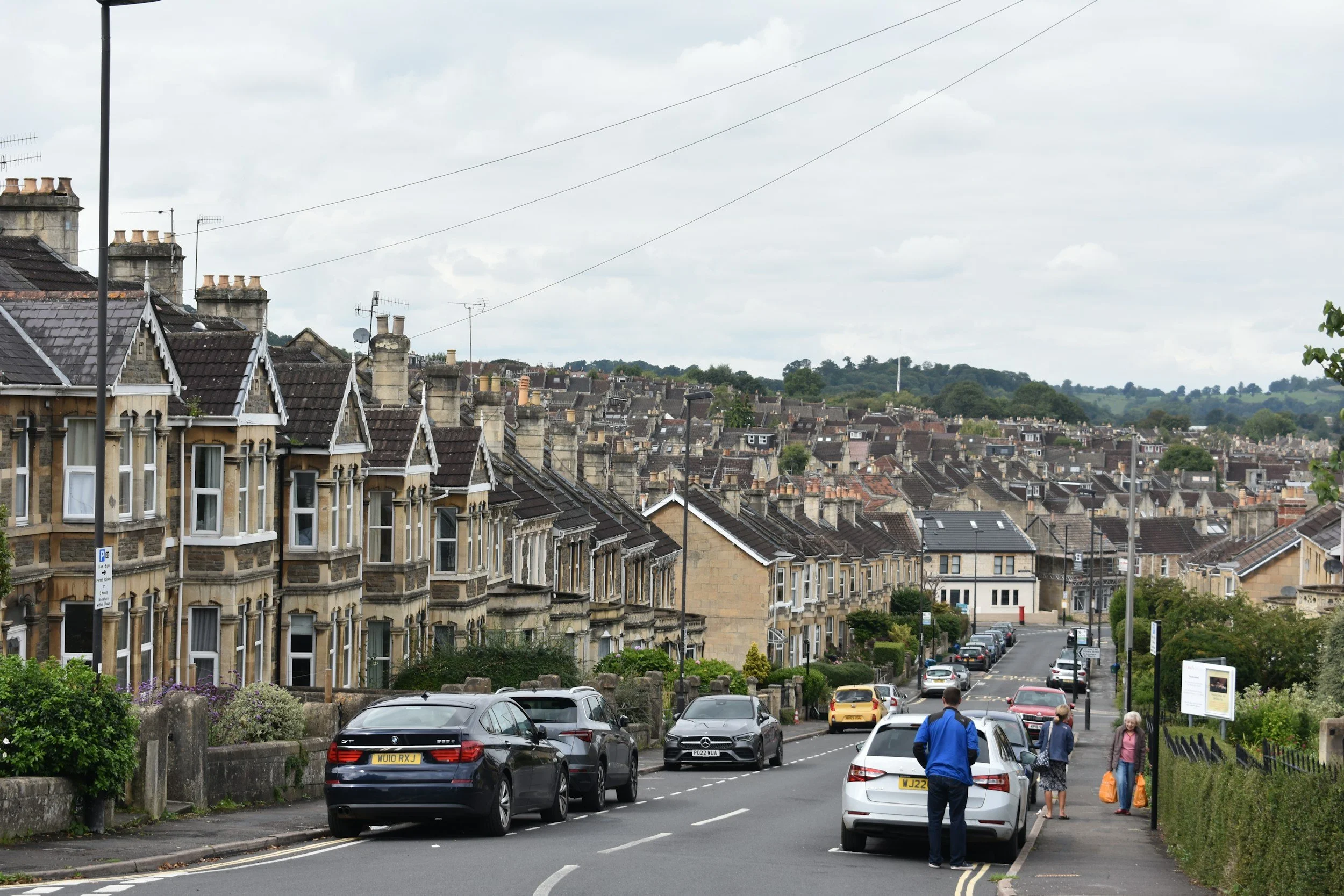
Beyond buildings
For decades, health infrastructure has largely been designed around service delivery.
Rooms.
Clinics.
Departments.
Flow.
But healthier neighbourhoods are not created through estate alone.
They emerge through relationships, participation, trust and community capacity.
The most effective neighbourhood health models are rarely purely clinical.
They often blend:
healthcare
creativity
enterprise
green space
community ownership
culture
learning
wellbeing
civic participation
The question is not simply:
“How do we fit more services into a building?”
But:
“How do we create the conditions for healthier communities?”
The danger of modernising the old system
There is a risk that neighbourhood health centres become:
better designed
more integrated
more digitally enabled
more operationally efficient
…while still fundamentally remaining reactive systems focused on treatment.
Without deeper change, we simply create better versions of the old model.
Still fragmented.
Still clinical-first.
Still disconnected from everyday community life.
A different approach
A genuine shift toward prevention requires the alignment of three currently disconnected systems:
Capital investment — what we build
Service design — how care is delivered
Commissioning models — how activity is funded and incentivised
Without alignment between these elements, prevention remains rhetorical rather than operational.
Community ownership matters
One of the strongest lessons emerging from practice is that community ownership is not a “nice to have”.
It is foundational.
Where communities have a meaningful stake in:
assets
governance
commissioning
participation
…services shift from transactional to relational.
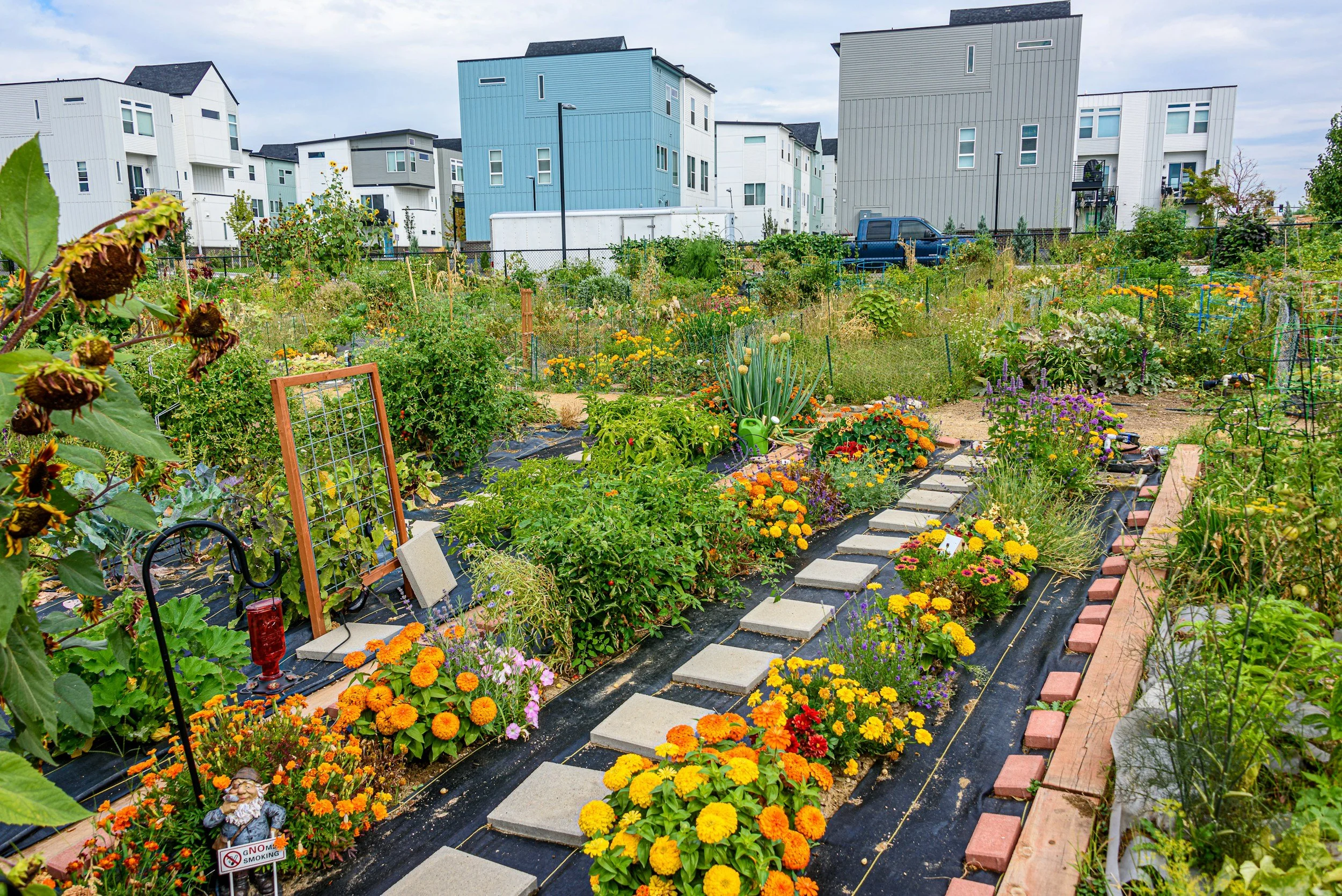
That is where prevention starts to take hold.
The best neighbourhood health models do not simply deliver services to communities.
They create the conditions for communities to shape health themselves.
From centres to neighbourhood systems
The future of neighbourhood health is unlikely to be a collection of isolated buildings.
It is more likely to be a distributed ecosystem of neighbourhood assets and relationships.
That includes:
schools
parks
faith spaces
community centres
local businesses
voluntary organisations
housing providers
cultural spaces
social networks
Neighbourhood health centres should become platforms for coordination and activation within this wider ecosystem.
Not islands.
The opportunity ahead
Across the next decade, the UK has an opportunity to rethink what health infrastructure is actually for.
The challenge for policymakers, designers and system leaders is clear:
If neighbourhood health is about places, not buildings, how do we ensure that the next generation of investment moves beyond the red line — and starts designing for the systems and communities that sit beyond it?