
SUPPORTING COMMUNITY-LED REGENERATION IN POST-WAR ESTATES
Gleadless Valley & Lowedges, Sheffield
The Challenge
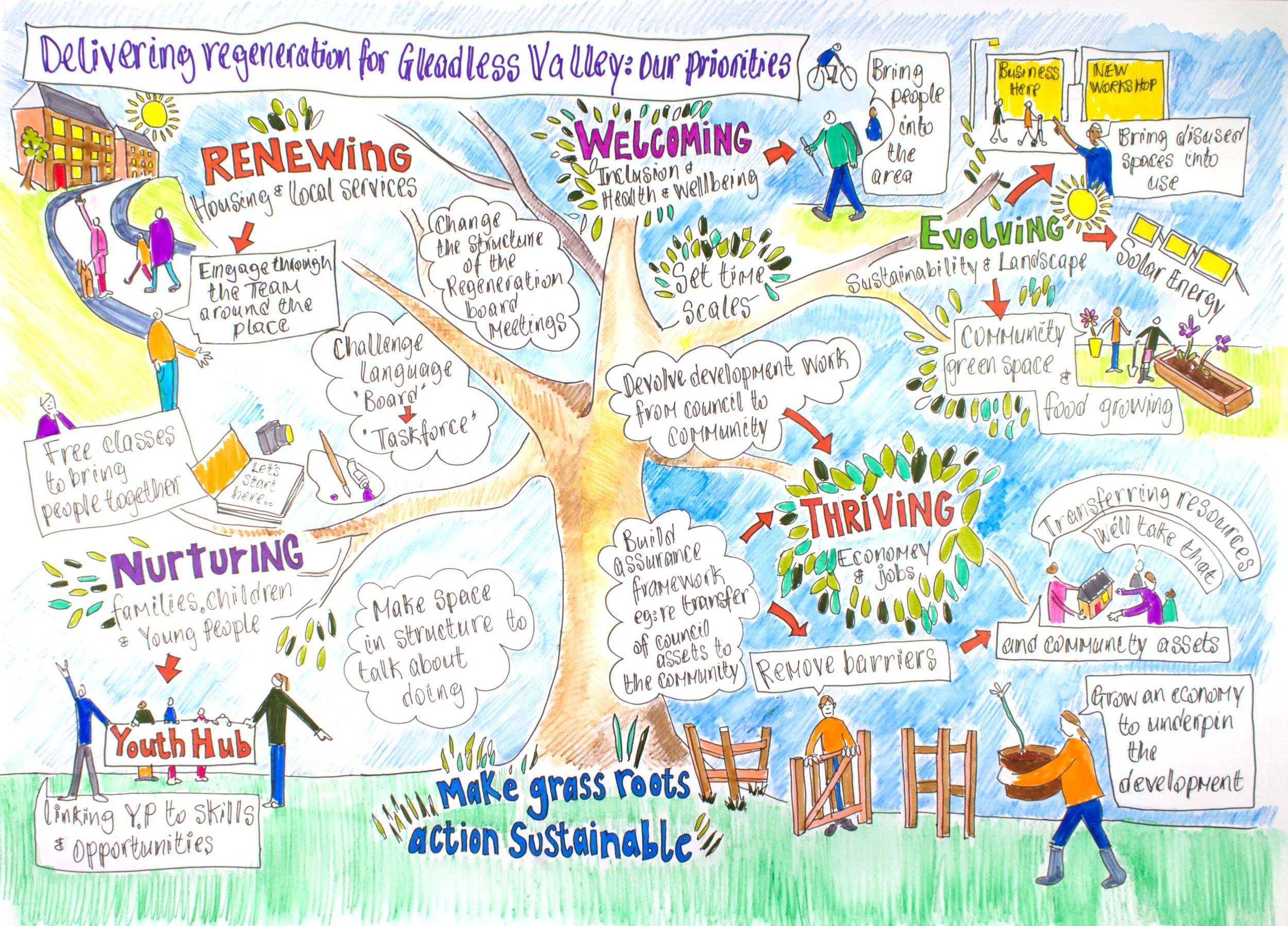
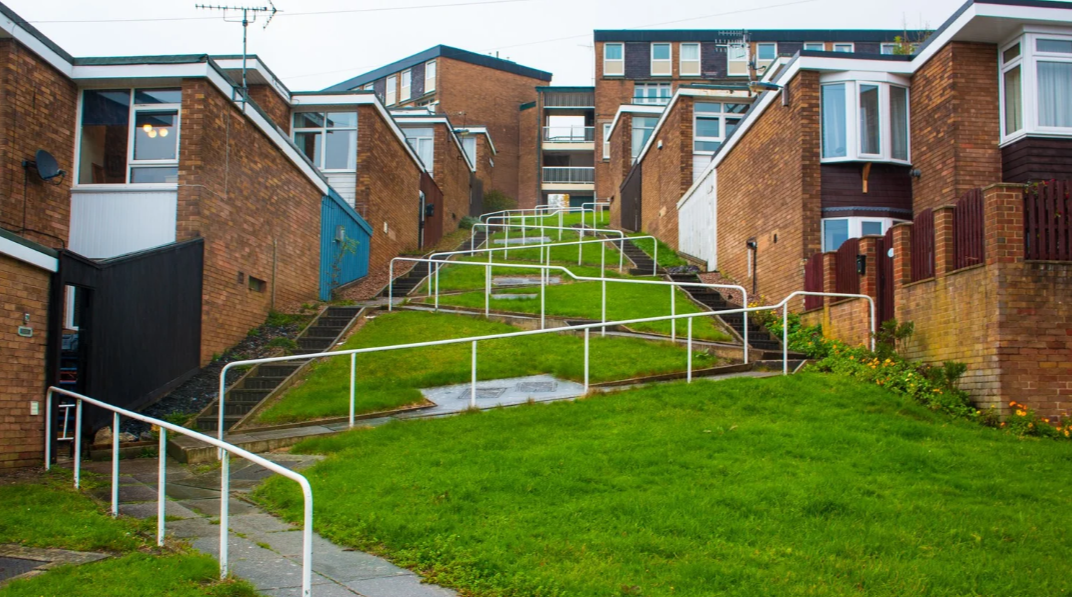
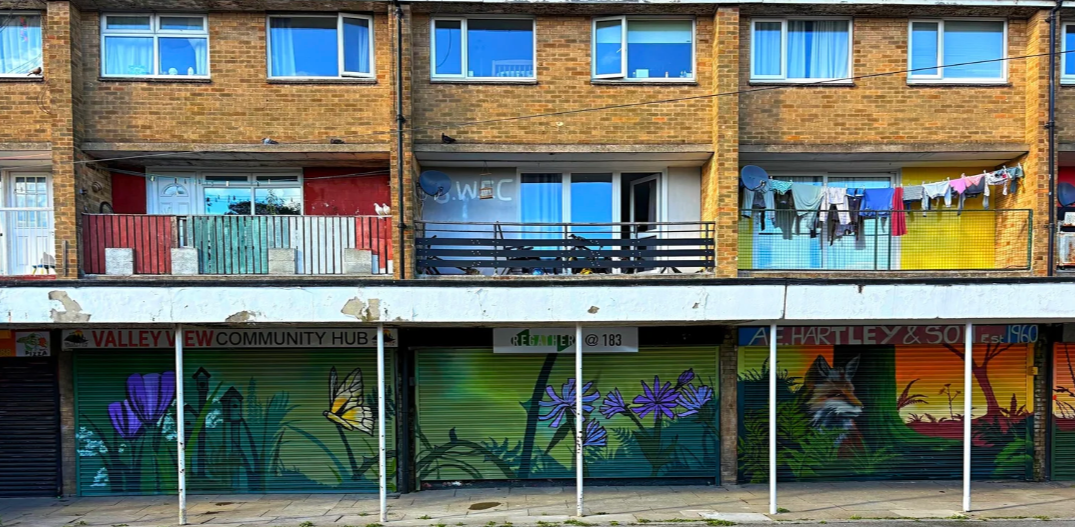
Gleadless Valley and Lowedges are large post-war estates in Sheffield facing long-term socio-economic challenges, with parts of Lowedges within the top 10% most deprived neighbourhoods nationally. Alongside this, both areas have strong community identity and local assets, but historically fragmented activity, limited capacity and low trust in regeneration processes.
Gleadless Valley was entering a critical phase of regeneration, with a refreshed masterplan in development and a need to ensure community voice directly shaped design, investment and long-term governance.
Our Role
360 Degree Society worked alongside Sheffield City Council and Heeley Trust to:
Deliver a comprehensive community engagement and immersion programme
Support Board and leadership development
Ensure community insight informed spatial design and regeneration priorities
Build local capacity, leadership and long-term ownership
Our Approach
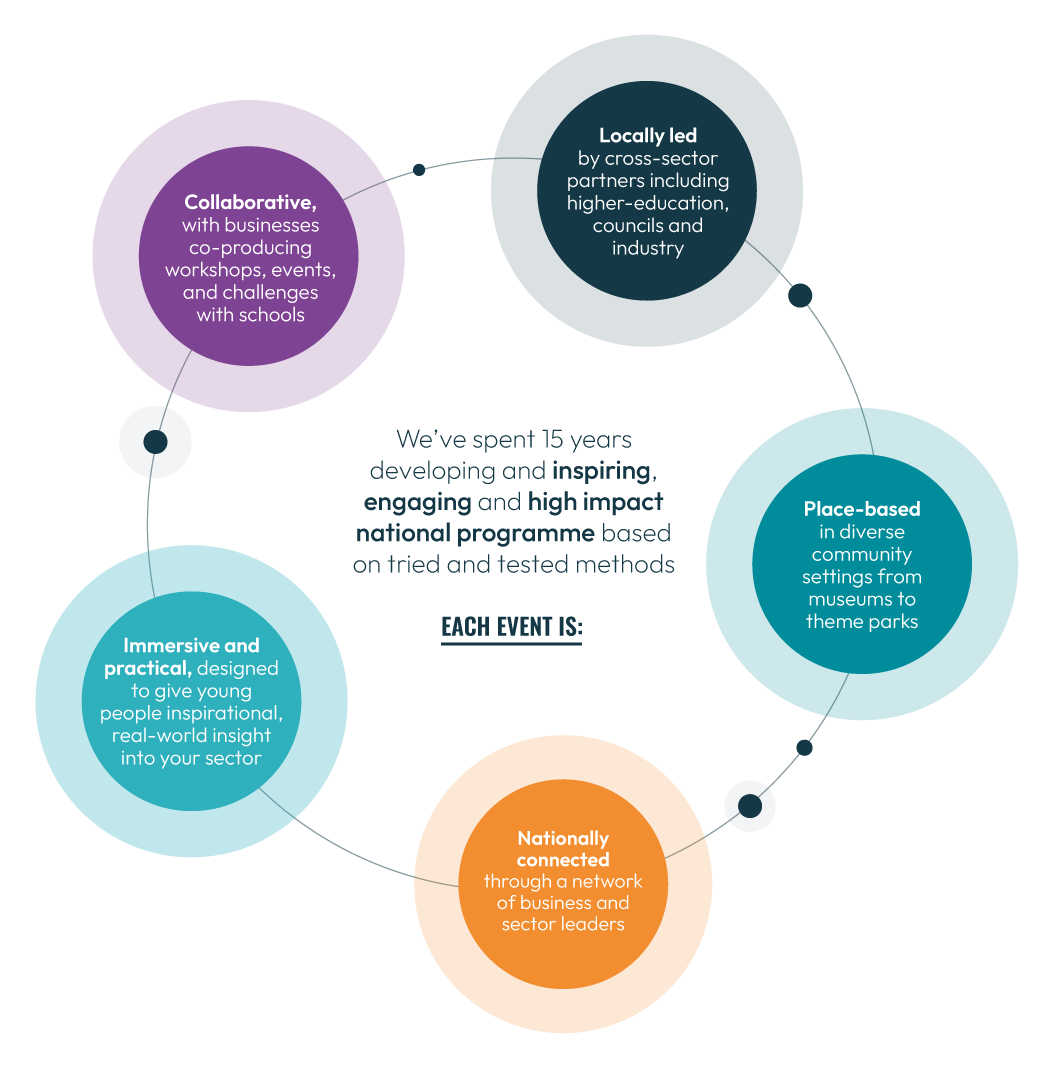
We applied our 360 Degree placemaking methodology, combining deep engagement, creative practice and system leadership to move from insight to action.
1. Deep, Inclusive and Creative Engagement
We delivered a sustained and relational programme of engagement, including large-scale community conversations, walkabouts, regular gatherings and showcase events.
To reach beyond traditional consultation, we commissioned local organisations to deliver community journalism and storytelling, alongside a photography programme enabling residents to capture everyday life, identity and aspiration. These approaches surfaced rich insight and enabled participation from people less likely to engage through formal methods.
We also delivered structured engagement with young people, including a partnership with Springs Academy and a large-scale schools event involving over 700 young people, ensuring regeneration plans reflected the voices of future generations.
2. Immersion, Visioning and System Leadership
We facilitated a full-day immersion and visioning programme bringing together Board members, senior leaders, community organisations and national regeneration experts.
This combined site visits, community insight and facilitated workshops to explore practical models of community-led regeneration. It created space for honest reflection and ambition, while supporting leaders to move beyond consultation toward embedding community-led approaches in governance and delivery.
3. Connecting Community Voice to Design and Delivery
A key focus was ensuring engagement directly influenced regeneration decisions.
Community insight informed the refreshed masterplan and spatial framework, with residents given meaningful roles in shaping design conversations alongside master planners. Creative outputs, including film and photography, were used to influence how partners understood place and prioritised investment.
Alongside this, we prioritised investment into the community by commissioning local organisations, delivering micro-grants and supporting the development of local leadership and enterprise. This included early exploration of a community-led development trust model, creating a pathway toward long-term community ownership.
Outcomes and Impact
Community insight directly informed the Vision for the Valley and masterplanning process
Strengthened relationships between residents, partners and the Regeneration Board
Increased confidence among leaders to adopt community-led approaches
Established foundations for long-term community governance and delivery models
Created immediate momentum through community grants and local action
The programme demonstrated how relatively modest investment can build trust, surface insight and influence strategic decision-making.
Investing in the Community
A core feature of this work was ensuring that funding and opportunity flowed into the community:
Commissioning local organisations to deliver engagement
Funding community-led ideas and micro-grants
Investing in local events, spaces and participation
This ensured regeneration activity strengthened local capacity and retained value locally.
Client/Funder
360 Degree Society worked alongside Sheffield City Council and Heeley Trust.